
Introduction
Being self-employed comes with many advantages — freedom, flexibility, and control over your career. But it also comes with responsibilities, like finding and paying for your own health insurance. Without employer-provided coverage, self-employed individuals in the USA must navigate a variety of options to secure affordable, reliable healthcare.
This comprehensive guide explains how self-employed workers, freelancers, and small business owners can find the best health insurance coverage, understand tax benefits, and avoid common pitfalls.
Why Health Insurance Matters for the Self-Employed?

Healthcare costs in the U.S. can be unpredictable. A single medical emergency can cost tens of thousands of dollars. Health insurance provides financial protection against these unexpected expenses, ensures access to quality care, and even offers tax benefits to reduce your overall costs.
Even if you’re healthy, having insurance is essential. Routine checkups, preventive care, and vaccinations can catch potential problems early — often at no extra cost under ACA-compliant plans.
Tax Benefits for the Self-Employed
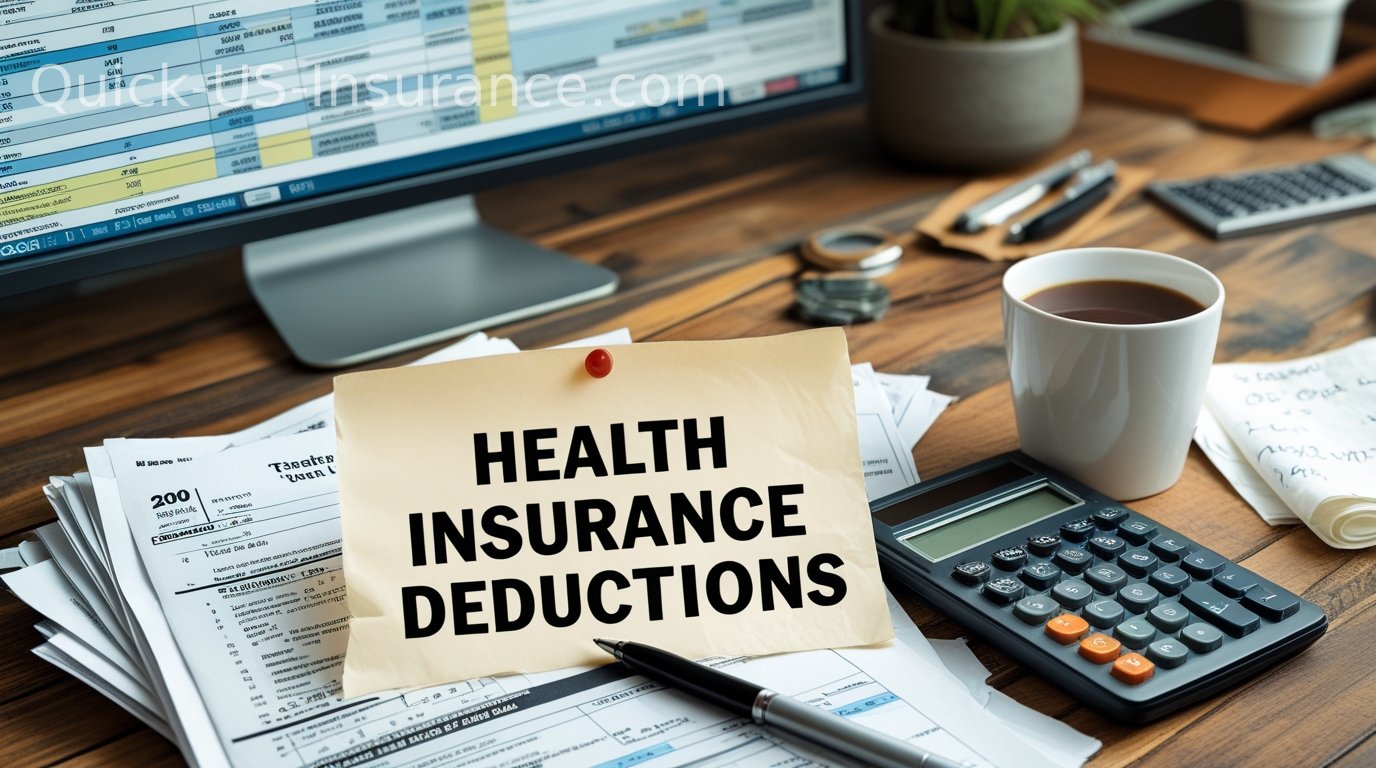
- Premium Deduction: You can deduct 100% of your health insurance premiums from your taxable income.
- HSA Contributions: Contributions are tax-deductible, and withdrawals for qualified medical expenses are tax-free.
- Medical Expense Deduction: If medical costs exceed 7.5% of your AGI, you can deduct the excess amount.
How to Choose the Best Plan?
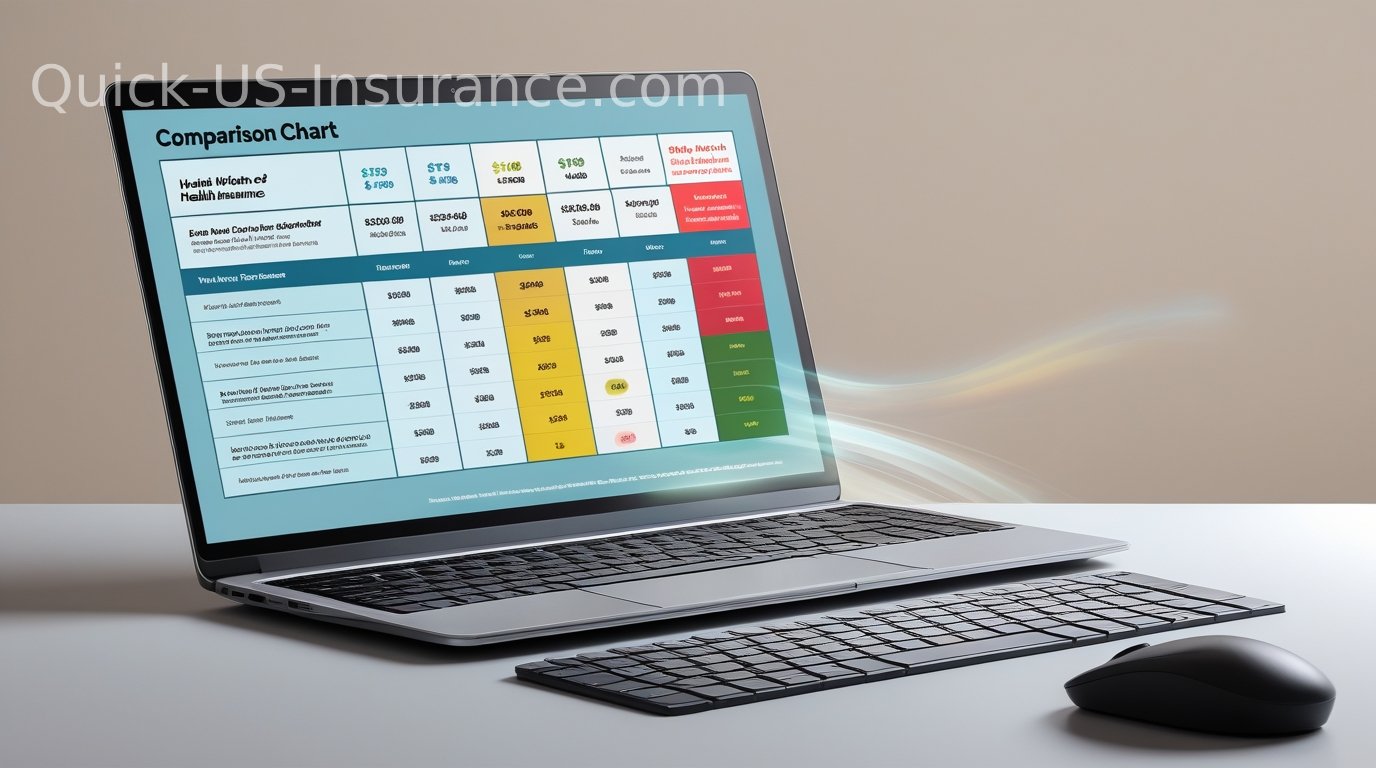
- Assess your medical needs and budget.
- Compare plans on HealthCare.gov or private sites.
- Check doctor networks and prescription coverage.
- Review deductibles, premiums, and copayments.
- Reevaluate annually — your health and income may change.
Common Mistakes to Avoid

- Choosing the cheapest plan without checking coverage details.
- Missing open enrollment (Nov–Jan).
- Ignoring out-of-network restrictions.
Conclusions

Health insurance is essential for protecting your health and finances as a self-employed professional. Compare all your options carefully, consider your healthcare needs, and take advantage of tax benefits. The right plan can give you peace of mind while you focus on growing your business.